Silent Persuasion: How Trial Lawyers Can Use Hand Gestures to Influence Juries (Without Saying a Word)
- Michael J. DeBlis III, Esq.

- Jan 15
- 4 min read

Jurors do not just listen to lawyers—they watch them. Long before a jury consciously evaluates your argument, their brains are already making credibility judgments based on movement, posture, and gesture.
Research in cognitive psychology and neuroscience consistently shows that gesture and speech are processed together. When aligned, persuasion increases. When misaligned, credibility collapses.
Below are the most effective courtroom hand gestures, adapted from political speech, with jury-specific applications, psychological explanations, and clear warnings on misuse.
1. The Steeple Gesture (Controlled Confidence)

What It Looks Like
Fingertips lightly touching, forming a triangle at chest or abdomen level.
Who Uses It:
· Barack Obama frequently used variations
· Angela Merkel — signature calm stance
· Tony Blair in debates

Best Courtroom Uses
✔ Opening statements when laying out theory
✔ Explaining legal standards or burdens of proof
✔ Responding to judicial questions
✔ High-stakes objections at sidebar
Psychological Impact on Jurors
Signals competence, certainty, and cognitive control
Jurors subconsciously associate symmetry with stability and intelligence
Indicates you are thinking, not reacting
🧠 Neuroscience note: The steeple minimizes limb movement, reducing perceived anxiety and activating trust heuristics in observers.
When NOT to Use It
✘ During emotional testimony
✘ While addressing a grieving witness
✘ During closing emotional appeals
Why: It can read as cold, detached, or arrogant if emotional resonance is required.
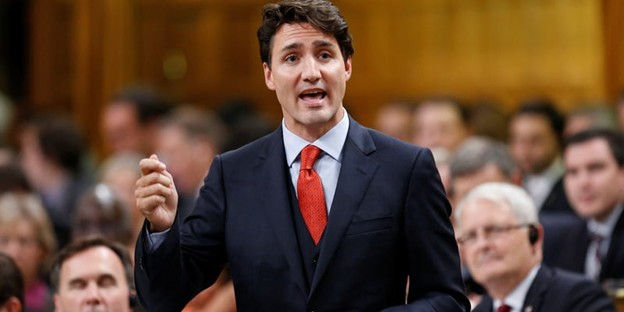
2. Open-Palm Gesture (Trust & Transparency)

Palms visible, hands open, often extending gently toward the jury.


Who Uses It:
· Joe Biden
· Justin Trudeau
· Jacinda Ardern
Best Courtroom Uses
✔ Voir dire
✔ Humanizing your client
✔ Addressing weaknesses in your case
✔ Expressing empathy for injury or loss
Psychological Impact on Jurors
Palms evolved as a non-threat signal
Increases perceived honesty
Lowers jurors’ defensive skepticism
🧠 Evolutionary psychology: Showing empty hands historically meant “I carry no weapon.” Jurors still respond instinctively.
When NOT to Use It
✘ While cross-examining hostile witnesses
✘ When asserting dominance or control
✘ During impeachment
Why: Open palms reduce authority and can undermine courtroom command.
3. The Precision / Chopping Gesture (Clarity & Structure)

What It Looks Like
Hand flat, fingers together, moving downward in controlled beats.
Who Uses It:
· Margaret Thatcher (famously)
· Vladimir Putin occasionally
· Donald Trump in emphatic points
Best Courtroom Uses
✔ Listing elements of a cause of action
✔ Walking jurors through timelines
✔ Emphasizing inconsistencies
✔ Structuring closing arguments
Psychological Impact on Jurors
Helps jurors chunk information
Creates visual punctuation, improving memory retention
Signals decisiveness and order
🧠 Cognitive load theory: Jurors retain structured information better when movement marks transitions.
When NOT to Use It
✘ During sensitive testimony
✘ When credibility—not logic—is at issue
✘ With sympathetic witnesses
Why: The gesture can feel harsh or prosecutorial in emotional contexts.
4. The Pointing Gesture (Directed Accountability)

What It Looks Like
Index finger extended toward evidence, timeline, or abstract space—not jurors.
Who Uses It:
· Donald Trump (often toward cameras)
· Boris Johnson in debates
· Various campaigners addressing crowds

Best Courtroom Uses
✔ Highlighting exhibits
✔ Anchoring responsibility (“This document proves…”)
✔ Calling attention to omissions
Psychological Impact on Jurors
Directs visual and cognitive attention
Creates urgency and focus
Signals certainty
🧠 Attention science: Pointing activates spatial tracking systems in the brain.
When NOT to Use It
✘ Pointing directly at jurors
✘ Pointing at witnesses
✘ Overuse during argument
Why: Can trigger reactance—a defensive emotional response.
Tip: Replace finger pointing with a thumb-led or open-hand directional gesture.
5. Interlocked Fingers / “Claw” (Analytical Control)

What It Looks Like
Fingers loosely intertwined at waist or podium level.

Who Uses It:
· Theresa May (iconic version)
· Some authoritarian leaders
Best Courtroom Uses
✔ Complex expert testimony
✔ Scientific explanations
✔ Responding to objections
✔ Bench trials

Psychological Impact on Jurors
Signals mental processing and restraint
Conveys seriousness and focus
🧠 Perception studies: Minimal movement increases perceptions of intellectual authority.
When NOT to Use It
✘ Jury openings
✘ Emotional closings
✘ Extended periods
Why: Can read as defensive or withdrawn if sustained too long.
6. Chin or Face Touch (Deliberation Cue)

What It Looks Like
Brief chin or jaw touch during a pause.
Who Uses It:
· Bill Clinton (often reflexive)
· Emmanuel Macron
Best Courtroom Uses
✔ Responding to unexpected testimony
✔ Framing a careful answer
✔ Creating a deliberate pause
Psychological Impact on Jurors
Signals thoughtfulness, not evasion
Slows the courtroom tempo
Suggests intelligence and restraint
🧠 Timing psychology: Pauses increase perceived credibility when paired with controlled movement.
When NOT to Use It
✘ Excessively
✘ While a witness answers
✘ During cross-examination
Why: Overuse may signal uncertainty or nervousness.
7. Wide Arm Sweep (Vision & Narrative)

What It Looks Like
Arms extending outward in broad arcs
Who Uses It:
· Barack Obama at rallies
· Luiz Inácio Lula da Silva (Brazil)
· Many crowd-focused speakers

Best Courtroom Uses
✔ Storytelling in opening
✔ Explaining sequence of events
✔ Summation narratives
Psychological Impact on Jurors
Signals confidence and inclusivity
Enhances emotional engagement
Activates narrative processing
🧠 Embodied cognition: Big gestures reinforce big ideas.

When NOT to Use It
✘ Small courtrooms
✘ Solemn testimony
✘ Close proximity to jury
Why: Can appear theatrical or insincere.
8. Palm-Down Authority Gesture (Control & Closure)


What It Looks Like
Palm facing downward, steady motion.
Who Uses It:
· Nancy Pelosi
· Xi Jinping (formal speeches)

Best Courtroom Uses
✔ Regaining focus after objections
✔ Transitioning to next point
✔ Calming emotional moments
Psychological Impact on Jurors
Signals command and control
Reduces emotional volatility
🧠 Social dominance research: Palm-down gestures establish hierarchy subtly.
When NOT to Use It
✘ Toward jurors directly
✘ During emotional appeals
Why: Risks appearing condescending.
How These Gestures Work Together (Psychology Summary)
Gesture Type | Key Psychological Message | Use Case |
Steeple | Confidence & competence | Policy explanation |
Open Palms | Honesty & trust | Empathy/emotional topics |
Chopping | Precision & clarity | Breaking down plans |
Pointing | Engagement (high intensity) | Calls-to-action |
Interlocked Fingers | Thoughtfulness | Complex questions |
Face Touch | Thought/look smart | Deliberation moments |
Wide Sweep | Inclusion & enthusiasm | Crowds/rallies |
Palm Down | Authority & calm | Moderation/control |
Why Public Speakers Rely on These:Humans are social, pattern-seeking animals. Hand gestures:
· Boost retention — audiences remember visuals better than words alone.
· Regulate attention — motion draws eyes and focus.
· Convey subconscious cues — confidence, trustworthiness, strength.
· Reinforce verbal messaging — synchronized gestures improve persuasion.
Final Takeaway for Trial Lawyers
Jurors decide who they trust long before they decide what they believe.
Hand gestures:
Reinforce credibility
Structure juror memory
Shape emotional perception
Influence verdicts subconsciously
Mastery isn’t about more gestures—it’s about the right gesture at the right moment. For more on this topic, sign up for my upcoming CLE class, “The Embodied Lawyer: Harnessing Movement Psychology and Vocal Dynamics for Powerful Advocacy.”


Comments